
And the apostles said to the Lord, “Increase our faith.” Luke 17:5
Is a small faith okay or isn’t it? I’ve written in the past (here) about how God can take faith as small as a mustard seed and make it grow (Matthew 17:20). We don’t have to be super strong before God will use us.
On the other hand, four times in the book of Matthew, Jesus gently rebuked his followers with the phrase, “O you of little faith.” What can we learn from those four occasions?
First, in Matthew 6:30 as part of the sermon on the mount, Jesus directed the phrase toward those who worry about having their basic needs met. “Now if God so clothes the grass of the field, which today is, and tomorrow is thrown into the oven, will He not much more clothe you, O you of little faith?” It seems very natural to have concern for our physical needs. But in verse 33 Jesus instructed, “Seek first the kingdom of God and His righteousness, and all these things shall be added to you.” Rather than worry, he wants us to trust him to provide.

The next time Jesus used this phrase was when his disciples awoke him in the boat during a storm “saying, ‘Lord, save us! We are perishing!’ But He said to them, ‘Why are you fearful, O you of little faith?’ Then He arose and rebuked the winds and the sea, and there was a great calm,” (Matthew 8:25-26). Obviously storms are scary. And when awful things are happening, fear rises and faith seems to blow away in the tempest. But Jesus equates fearfulness with a lack of faith. In verse 27, it says, “the men marveled, saying, ‘Who can this be, that even the winds and the sea obey Him?’” Mature faith requires an awareness of God’s great power, even over the storms themselves.
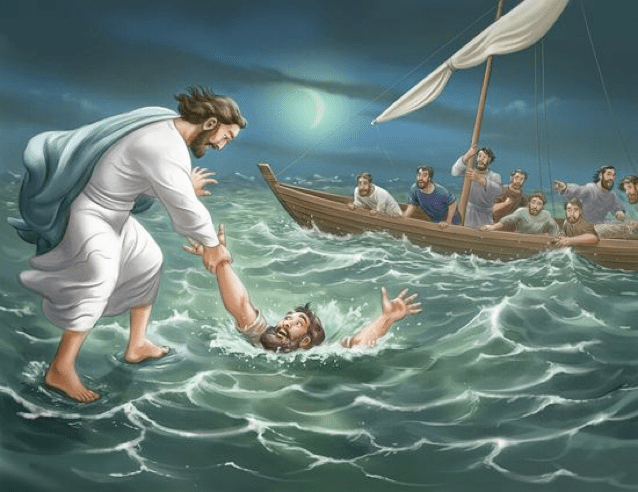
Not long after that incident, during another storm, Peter became fearful while walking on the water toward Jesus. “He cried out, saying, ‘Lord, save me!’ And immediately Jesus stretched out His hand and caught him, and said to him, ‘O you of little faith, why did you doubt?’” (Matthew 14:30b-31). This story reminds us that when we step out in faith to try something new and we get outside our comfort zone, once again fear is likely to become a threat to our faith. What Peter did correctly here was to cry out to the Lord for help. And after they were all back in the boat, the men worshiped Jesus as being truly the Son of God. It’s wonderful to put our faith into action in new ways, but we still need to continue with the basics of prayer and worship to maintain steady steps.
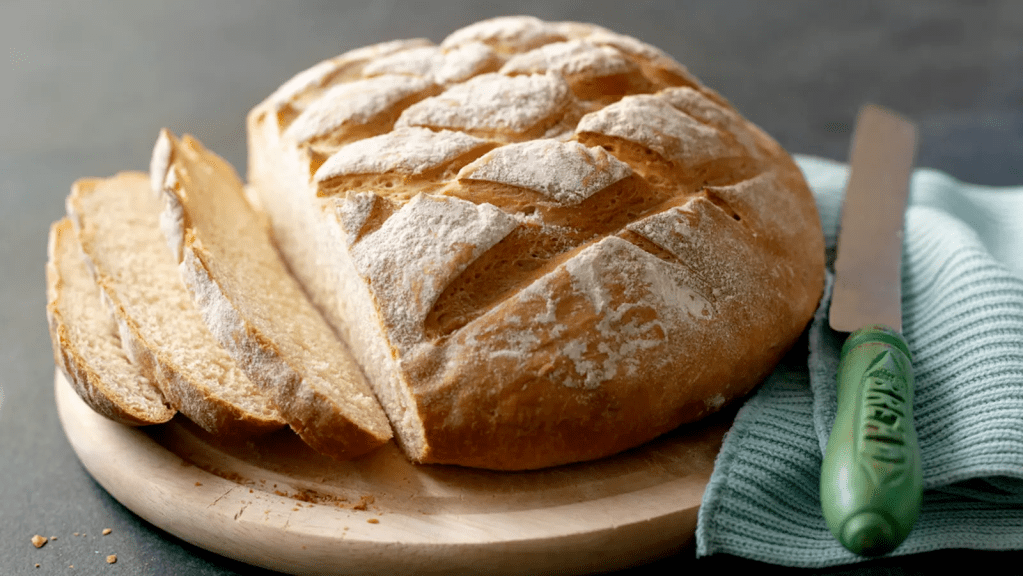
And finally, in Matthew 16:5-12 there is an interesting little story where Jesus mentions “the leaven of the Pharisees and the Sadducees,” and the disciples thought he was criticizing them for forgetting to bring bread to eat. “But Jesus, being aware of it, said to them, ‘O you of little faith, why do you reason among yourselves because you have brought no bread? Do you not yet understand, or remember the five loaves of the five thousand and how many baskets you took up? Nor the seven loaves of the four thousand and how many large baskets you took up?’” (v. 8-10). After witnessing two miraculous feedings, how could they still think that Jesus would be worried about procuring food? As we mature in our faith, we should be able to discern spiritual truths rather than always seeing things through an earthly lens.
Most faith begins small. But faith should grow over time. Signs that your faith has grown would be:
- trusting in God to provide your basic needs
- enduring difficulties without excessive fear and doubting
- persevering when new efforts prove challenging
- considering things from a spiritual as well as a physical perspective
No matter where you are, remember that we can be proactive about growing our faith.
Faith comes by hearing, and hearing by the word of God. (Romans 10:17)
Dear Lord, help my unbelief. Increase my faith. Remind me of how well You have provided for me through trials in the past, and may my faith grow a little stronger every day as I study Your word and fellowship with other believers. I ask for Your Holy Spirit to strengthen me. In Jesus’s name, Amen.
by Christie Cole Atkins
Related Reading:
 Walk Worthy